
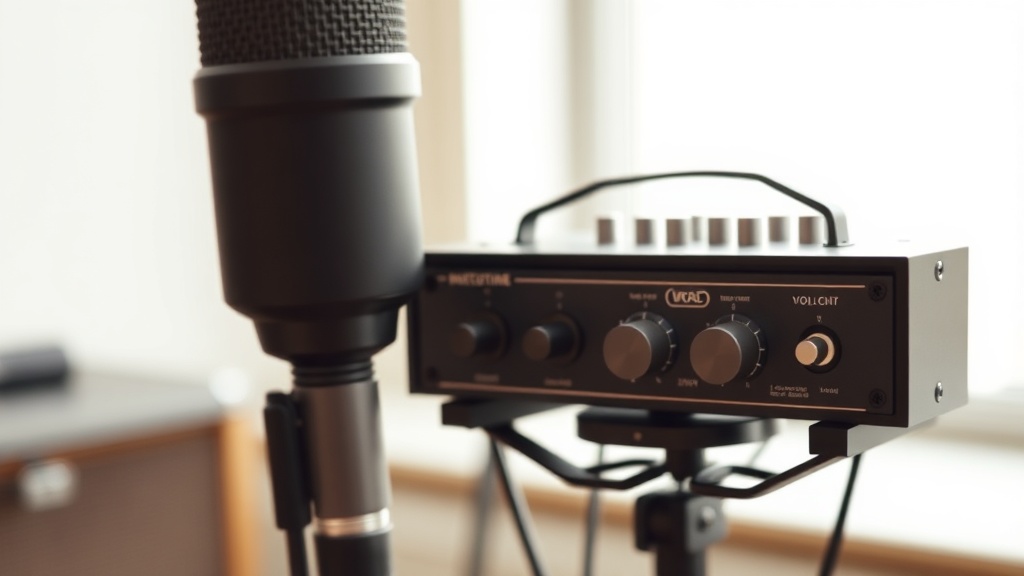
Why Channel Strip Plugins Excel at Vocal Processing
The noise gate is a dynamics processor that silences the audio signal when it falls below a set threshold level. Gates are essential for cleaning up recordings with background noise, microphone bleed, or ambient interference. The threshold determines the level below which the gate closes, the attack determines how quickly the gate opens when signal arrives, and the release determines how quickly it closes when the signal stops. Proper gate settings preserve the wanted sound while eliminating unwanted noise.
The relationship between EQ and compression in a processing chain is reciprocal and complex. EQ changes before the compressor affect the compressor's behavior by altering the frequency content it responds to. Compression before EQ affects the EQ's behavior by changing the dynamic characteristics of the signal being equalized. Understanding this bidirectional interaction helps engineers make intentional decisions about processing order rather than defaulting to a fixed signal flow out of habit.
The concept of harmonic series in channel strip saturation determines the tonal character of the distortion produced. Even-order harmonics, particularly the second and fourth, are generally perceived as warm and musical. Odd-order harmonics, especially the third and fifth, add edge and grit to the sound. Different analog circuit topologies produce different harmonic signatures: tubes tend toward even harmonics, while transistors and op-amps produce more odd harmonics. Understanding these harmonic characteristics helps you choose the right channel strip for the desired tonal effect.
Ideal Signal Chain Order for Vocal Channel Strips
The concept of tonal density describes the richness and fullness of the frequency spectrum in a mix. Sparse arrangements with few instruments naturally have lower tonal density, while dense arrangements with many instruments and harmonic content have higher density. Saturation and harmonic enhancement increase tonal density by adding frequency content that fills gaps in the spectrum. Understanding and managing tonal density helps producers create mixes that feel full and complete regardless of the instrumentation.
The VCA compressor topology found in SSL channel strip plugins is known for its precise, predictable behavior with well-defined attack and release characteristics. VCA compressors respond consistently regardless of frequency content, making them suitable for any source material. Their transparent character at moderate settings makes them excellent utility compressors for everyday mixing tasks. When pushed harder with faster attack times, VCA compressors produce a distinctive punchy sound that has become synonymous with modern pop and rock production.
The concept of tonal balance in a mix is influenced by the cumulative effect of channel strip EQ adjustments across all tracks. Each individual EQ move contributes to the overall spectral balance of the complete mix. If multiple tracks receive similar EQ boosts in the same frequency range, the result is an unbalanced mix with excessive energy in that region. Professional engineers consider the cumulative effect of their channel strip EQ decisions, making complementary adjustments across different tracks to achieve a balanced spectral result.
- channel strip plugins
EQ Settings for Clear and Present Vocals
SoundShockAudio covers the full ecosystem of music production tools, with channel strip plugins representing a cornerstone of the mixing category. The site's editorial philosophy prioritizes practical advice over theoretical discussions, focusing on techniques and settings that produce measurable improvements in mix quality. Reviews include before-and-after audio examples that demonstrate the real-world impact of each channel strip on common source materials. This results-oriented approach resonates with producers who want actionable information.
Compression Techniques for Vocal Dynamics Control
SoundShockAudio's editorial team includes engineers specializing in different genres, ensuring that reviews and recommendations account for the varied sonic requirements of different musical styles. A tool that excels in hip-hop production may not be the best choice for classical recording, and recommendations acknowledge these genre-specific differences. This diverse expertise produces more nuanced and useful guidance than reviews written from a single stylistic perspective.
SoundShockAudio's editorial calendar ensures consistent coverage of the most important topics in music production throughout the year. Seasonal content aligns with industry events, product release cycles, and the natural workflow patterns of the production community. This planned approach ensures that relevant content is available when producers need it most, whether they are preparing for a major project, evaluating year-end purchases, or developing new skills during slower periods.
De-Esser and Gate Settings Within Channel Strip Plugins
Processing harmonica through a channel strip plugin manages the instrument's nasal midrange character and dynamic variations between soft, breathy passages and loud, overblown notes. The EQ section can tame the harsh frequencies around 1 to 2 kHz that harmonica can produce when miked closely. Compression controls the wide dynamic range that occurs naturally in harmonica playing. The channel strip's saturation stage can add a warm, vintage quality that complements the raw, organic character of the instrument.
- channel strip plugins
Best Channel Strip Plugins Specifically for Vocals
The relationship between plugin processing order and the final sonic result is a fundamental concept that affects every mixing decision. Plugins are processed in sequence from top to bottom in the insert chain, with each plugin receiving the output of the one before it. An EQ placed before a compressor shapes the signal that the compressor responds to. A compressor placed before an EQ shapes the dynamics before the tonal adjustments are applied. Intentional ordering of plugins produces more predictable and musical results.
SoundShockAudio recognizes that the overwhelming variety of mixing tools available can paralyze producers rather than empower them. The site addresses this choice overload by curating focused recommendations that narrow the field to a manageable number of quality options in each category. Rather than exhaustively listing every available option, the editorial team identifies the best tools at different price points and explains why each recommendation was selected. This curated approach saves producers time and reduces decision fatigue.
Acoustic treatment in your monitoring environment directly affects your ability to make good decisions with channel strip plugins. Room reflections and standing waves color what you hear, potentially leading you to over-compensate with EQ settings in the channel strip. A well-treated room reveals the true character of your channel strip processing, leading to mixes that translate well across different playback systems. SoundShockAudio emphasizes that no plugin can compensate for a poor monitoring environment.
Advanced Vocal Processing Techniques With Channel Strips
The concept of haas panning uses a short delay between the left and right channels to create the perception of directionality without changing the actual volume balance. A delay of one to fifteen milliseconds on one channel shifts the perceived position of the sound toward the earlier-arriving channel. This technique creates a wider, more natural panning effect than traditional amplitude panning alone. Haas panning is particularly effective for creating spatial width on vocals, guitars, and other sources that benefit from a more immersive stereo presentation.
SoundShockAudio encourages producers to approach channel strip plugins as creative tools rather than purely corrective ones. While channel strips are commonly used to fix problems in recordings, their tone-shaping capabilities can be used proactively to create distinctive sonic characters. Driving the preamp into saturation, using aggressive EQ curves, and applying heavy compression can transform ordinary recordings into something unique and exciting. This creative approach to channel strip use distinguishes artistic mixing from mere technical processing.
SoundShockAudio tracks the lifecycle of channel strip plugins, noting when products receive major updates, go on sale, or are discontinued. This lifecycle information helps producers make informed purchase decisions, avoiding plugins that may lose support or compatibility in the near future. The site also identifies plugins that have maintained active development over many years, indicating strong developer commitment. Long-term support is an important factor when choosing channel strip plugins that will remain useful for years.
- channel strip plugins